2010 Chardonnay
Named for the two forces of nature that strongly influence this wine: sea (mer) and sun (soleil)
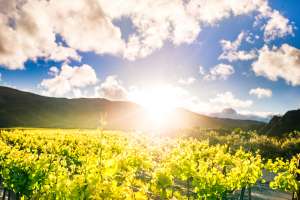
In our pursuit to make the finest Californian Chardonnay we could, my dad Chuck Wagner planted our first chardonnay vines in 1988 in the Santa Lucia Highlands appellation of Monterey County. This would go on to become a small winery with a single vineyard bottling called Mer Soleil. A few vines became a few acres and we went from there, increasing our vineyard little by little by planting to achieve the highest quality. The name meaning “sea sun” is fitting, as the Monterey Bay is nearby so the climate is highly influenced by the Pacific Ocean and the sun seems to never stop shining on this vineyard. From the outset, the clones of Chardonnay were chosen for low yield and high quality, with the goal to produce a rich, balanced and complex white wine.
What makes this an exceptional site for growing Chardonnay is the unusual weather, which for our purpose suits us well. The writer John Steinbeck said it best when he wrote, “I’ve lived in good climate, and it bores the hell out of me. I like weather rather than climate.” Simply spend one full day at Mer Soleil and you’ll experience the phenomena of nature that occurs in this very special place. The Santa Lucia Highlands sits on terraces overlooking the Salinas River Valley. During the growing season, warmer temperatures of inland California pulls ocean air and fog into the valley just below the Mer Soleil vineyard location. The Monterey Bay actually cools the entire Salinas Valley protecting the vines from California’s potential heat spikes that can be devastating for Chardonnay. This appellation is known for the wild daily winds running through it at the clip of 20 miles per hour. These conditions have a “slow ripening” effect on the grapes and encourage higher quality wine. Santa Lucia Highlands is arguably one of the best regions in the world for producing Chardonnay.
In 2010 it was an unusually cool spring and summer, promoting very gentle fruit development, but the dry fall season meant that the grapes ripened beautifully with well-‐developed fruit flavors that are very apparent in this particular vintage.
Tasting Notes:
Golden-‐hued in color, this wine opens up with opulent fruit aromas of pineapple, peach, citrus notes and banana. The expression in the mouth is soft, round and elegant with flavors of lemon zest, apple pie, vanilla bean and buttered toast. It has a rich and luscious mouth-‐feel with bright acidity on the finish.
Charlie Wagner II
Winemaker and Viticulturist
Release date: October 2012